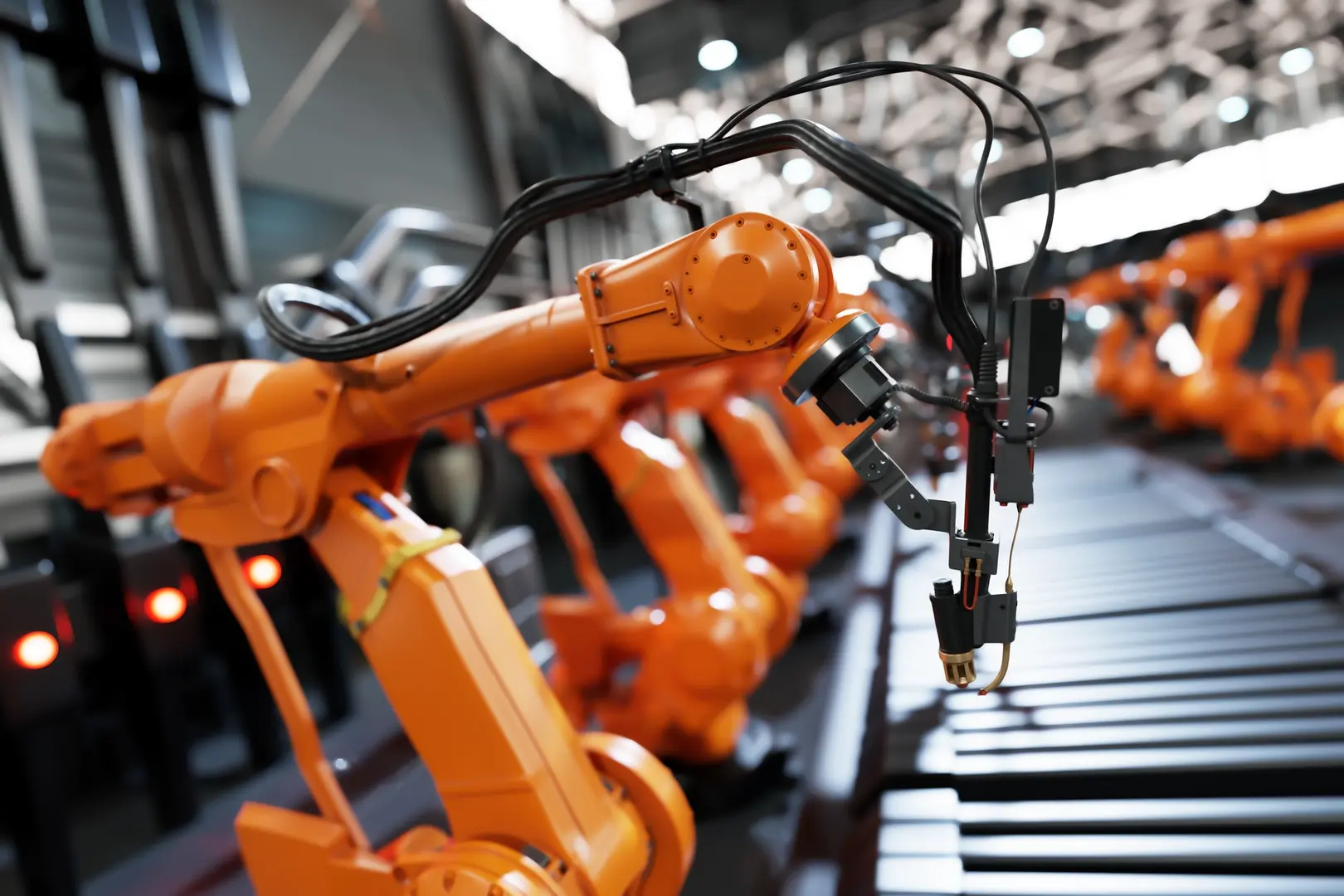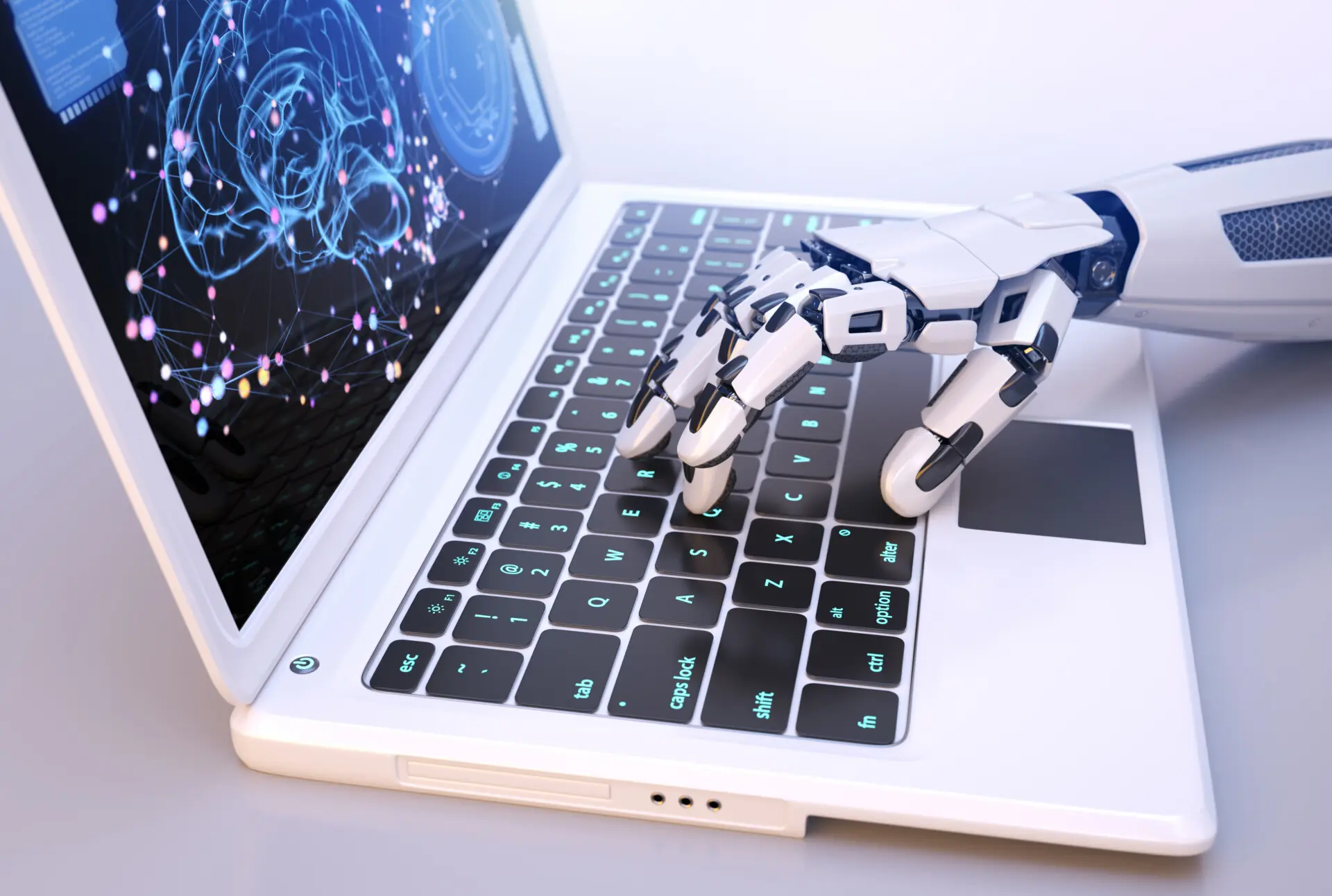
The race toward digital transformation is accelerating. From AI models and digital twins to edge computing, automation is reshaping how companies compete. The question for 2025 is not if you should integrate AI, but how strategically you can harness it for growth and resilience.
Why AI Is No Longer Optional
AI has moved well beyond the stage of hype – it’s now the backbone of business efficiency. Companies that weave AI into their daily workflows gain:
- streamlined processes,
- smarter use of resources,
- and entirely new revenue opportunities.
Think of generative AI models like ChatGPT or DALL·E: they create content, resolve customer queries, and accelerate brainstorming. The real advantage? Freeing up human teams to focus on vision and strategy instead of routine execution.
Pro Insight: AI is only as strong as the data you feed it. Clean, structured data and scalable platforms are the foundation for any successful AI rollout.

Where AI Creates Tangible Impact
AI applications are no longer confined to R&D labs – they permeate almost every industry. Let’s look at where businesses already reap measurable benefits.
Smarter Task Management
- Automated planning: Tools such as ClickUp or Workstreams.ai break complex projects into actionable steps.
- Knowledge management: Machine learning systems analyse past projects to suggest improvements.
- Strategic focus: With repetitive tasks offloaded, teams invest their energy in creativity and long-term goals.
Always-On Customer Service
AI-driven chatbots provide 24/7 support, instantly addressing common issues and routing specialised cases to the right people. In sales, digital agents track buying behaviour, suggesting upsells and cross-sells at precisely the right moment.
Automating Routine Operations
Repetitive tasks like invoicing, contract checks, or data entry are best left to AI and robotic process automation (RPA). The payoff: lower error rates, reduced overhead, and more time for high-value work.
Quick Wins That Build Momentum
For organisations starting their AI journey, early “quick wins” help prove value fast:
- Generative AI tools accelerate content creation and idea generation.
- AI analytics surface insights for budget planning or campaign strategy.
- Automation of small tasks (sorting files, monitoring data) saves hours weekly.
Enhancing Customer Loyalty
AI’s personalisation capabilities are a game-changer for retention:
- Hyper-personalised recommendations based on real-time data boost satisfaction and sales.
- Predictive analytics spot trends in customer behaviour, uncovering upsell opportunities.
- Individualised experiences foster stronger trust and long-term brand attachment.
Taking Automation Further
AI is no longer just about handling the basics. Companies are now leveraging it for end-to-end process automation and decision-making support:
- Data-driven forecasts spot risks and opportunities earlier.
- Reduced bias leads to more reliable outcomes.
- Hyperautomation unifies AI, RPA, and process mining into seamless workflows.
- ERP and CRM powered by AI deliver proactive recommendations, real-time reporting, and a more natural user experience.
The Big Trends for 2025
Generative AI Everywhere
Generative AI adoption is exploding – especially in marketing and content-heavy industries. But with rapid adoption comes the need for stronger compliance and governance, such as the EU’s AI Act.
Voice and Image Recognition
Natural language processing now enables systems to grasp context and emotion. From auto-sorting emails to transcribing meetings, AI-powered recognition tools are reshaping communication.
Edge Computing and Digital Twins
Real-time decision-making is becoming critical. Edge computing processes data locally, reducing latency, while digital twins simulate physical environments to optimise performance and prevent costly failures.
Strategies That Matter
To make these technologies stick, companies need more than tools – they need a roadmap:
- Define clear goals for AI projects.
- Prepare employees with change management and training.
- Prioritise scalability, so solutions grow with the business.
And perhaps most importantly, foster a culture where humans and machines collaborate. Collaborative robots (“cobots”) already illustrate how AI augments, rather than replaces, human expertise.
Looking Ahead
By 2025, AI will be a decisive factor in competitive advantage. But success isn’t only about technology – it’s about mindset. Companies that are bold, adaptive, and willing to reimagine their workflows will thrive.
Linvelo can help translate AI ambitions into practical implementations, from tailored app development to full-scale digital strategies.
Conclusion
The future of automation lies in blending AI with human creativity. From generative models and hyperautomation to cobots and edge computing, the landscape of possibilities is vast.
The winners will be those who approach AI not as a gimmick, but as a core business enabler – driving efficiency, innovation, and customer satisfaction.
FAQs
Which AI solutions show results fastest?
Task management apps, chatbots, and RPA tools typically deliver immediate impact.
Is AI only for big enterprises?
Not at all – small and mid-sized businesses gain agility and resource savings from AI.
How do I pick the right AI vendor?
Look for scalability, strong references, and clear roadmaps for implementation.
What’s the role of edge computing in AI?
It enables real-time decisions in manufacturing, logistics, and autonomous systems.
Can AI get things wrong?
Yes, if models are trained on poor data, ongoing monitoring and data hygiene are vital.
Where is AI most used in business?
From marketing and finance to customer service and supply chain optimisation.