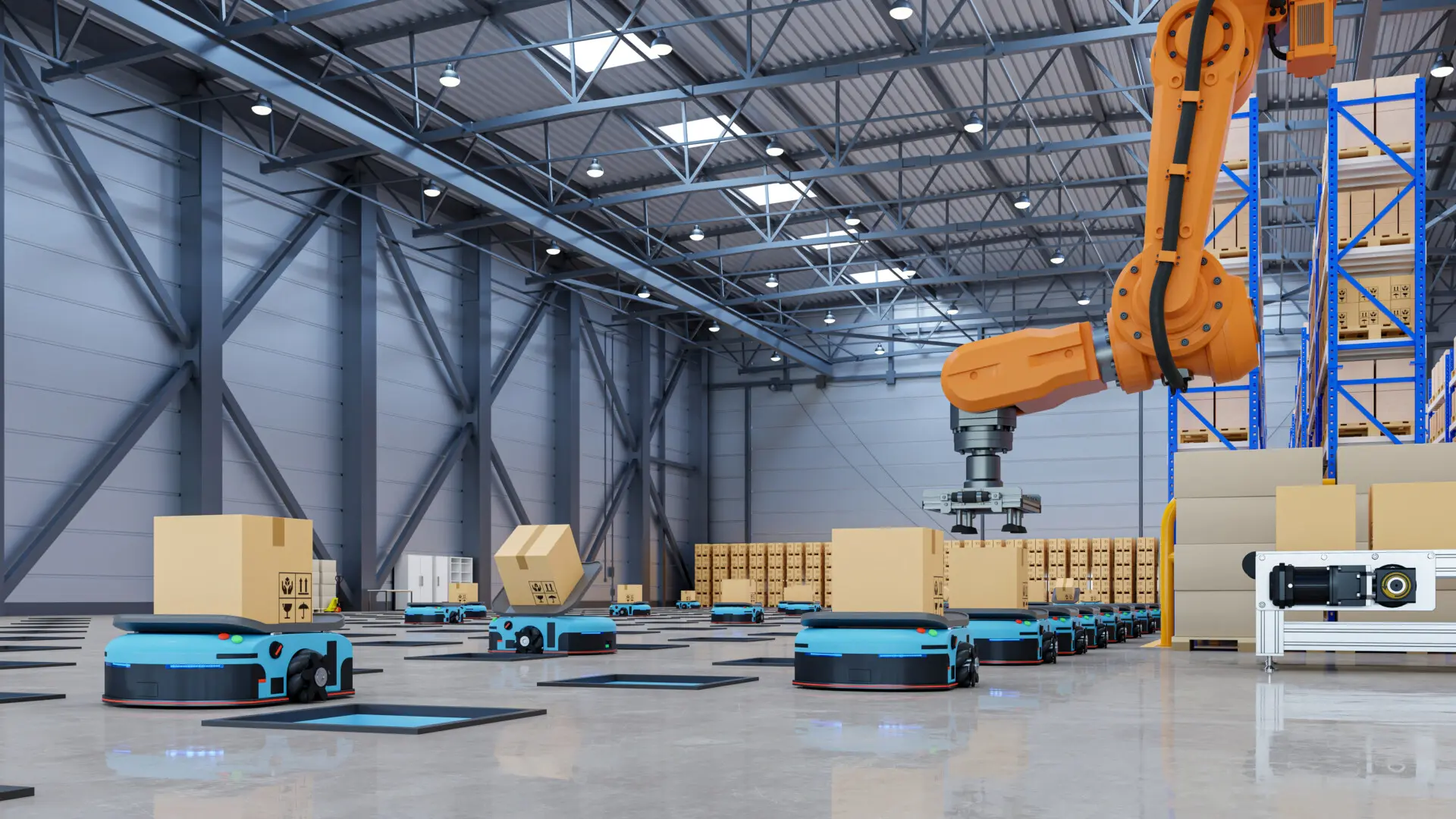
If persistent bottlenecks are slowing down your supply chain, you’re not alone. From unpredictable demand spikes to transport delays, these pinch points can quietly drain productivity and inflate costs. The good news? Artificial Intelligence (AI) is proving to be a highly effective remedy — capable of anticipating, preventing, and eliminating many of the most common supply chain obstacles.
This guide explores how AI can tackle these challenges head-on, the tools behind it, and why early adoption could give your business a lasting competitive advantage.
What Exactly Is a Supply Chain Bottleneck?
Think of your supply chain as a motorway. Your products are the cars, moving steadily from manufacturing to the customer. Now picture a traffic jam caused by a road closure — suddenly, the flow halts, queues build, and every vehicle is delayed.
That’s precisely what a supply chain bottleneck is: a point of congestion that slows or stops the entire network. Whether it’s caused by internal inefficiencies (poor inventory control, limited production capacity) or external shocks (port closures, bad weather, material shortages), the impact is the same — higher costs, late deliveries, and reduced output.
Finding and addressing these choke points is essential. With the right mix of technology and strategy, organisations can keep goods moving efficiently, protect margins, and meet customer expectations more consistently.
Common Culprits Behind Supply Chain Bottlenecks
While every business faces unique challenges, certain triggers come up time and again:
- Unexpected surges in demand – e.g., seasonal peaks, product launches, major events.
- Labour shortages – from warehouse staff to drivers.
- Counterfeit goods – damaging trust, tying up resources, and triggering costly recalls.
- Factory or facility closures – often leading to widespread disruption.
- Extreme weather events – storms, floods, droughts, or wildfires impacting transport and supply.
1. Demand Surges: Moving from Guesswork to Forecasting
In a perfect world, supply and demand would balance neatly. In reality, sudden spikes can overwhelm even the most prepared networks. AI-driven demand forecasting analyses historic sales, market signals, and customer behaviour to predict upcoming peaks — giving businesses the chance to adjust production, staffing, and logistics before problems hit.
2. Labour Shortages: Doing More with Less
A lack of skilled staff can stall operations from production lines to last-mile delivery. AI helps bridge the gap by automating repetitive work, optimising scheduling, and streamlining decision-making — ensuring fewer delays even when headcount is stretched.
3. Counterfeits: Protecting Quality and Trust
Fake goods can erode brand reputation and cause serious operational headaches. AI-powered authentication tools and image recognition systems can spot anomalies, intercept suspicious products, and reduce the risk of counterfeit stock entering circulation.
4. Facility Closures: Building Resilience
As the pandemic proved, the loss of a single production hub can ripple through an entire industry. AI-driven analytics help businesses diversify suppliers, plan contingency routes, and maintain buffer stocks — creating more shock-resistant supply chains.
5. Extreme Weather: Predicting the Unpredictable
Storms, floods, and heatwaves can cripple transport networks and halt production. AI models that blend real-time weather feeds with supply chain data enable companies to anticipate disruptions, reroute shipments, and adjust plans rapidly.
Why Bottleneck Elimination Matters
Unchecked bottlenecks don’t just cause delays — they waste time, inflate costs, lower productivity, and frustrate customers. Eliminating them isn’t simply about efficiency; it’s about protecting revenue streams, safeguarding brand reputation, and building a supply chain that can grow sustainably.
AI’s Role in Modern Supply Chain Management
AI has shifted from being a “nice-to-have” to a core strategic tool. Machine learning algorithms can sift through enormous datasets in seconds, uncovering patterns and weak points long before they become critical.
From optimising production schedules and managing inventory to refining supplier relationships, AI’s ability to process and act on information at speed is reshaping how supply chains operate.
Practical AI Solutions for Bottlenecks
- Predictive Analytics & Demand Forecasting
- Detect trends and customer patterns early.
- Manage inventory levels proactively.
- Reduce surplus stock and prevent shortages.
- Quality Control & Counterfeit Detection
- AI-driven computer vision for automated inspections.
- Predictive maintenance to prevent equipment breakdowns.
- Real-time alerts for anomalies in product quality.
- Autonomous Delivery & Route Optimisation
- Drones, autonomous vehicles, and AI-powered route planning.
- Consideration of live traffic, road closures, and weather for faster delivery.
- Real-Time Monitoring & Decision-Making
- Immediate detection of disruptions.
- Simulation-based strategy testing before deployment.
- Incremental learning models that improve over time.
Overcoming Implementation Challenges
While the benefits are substantial, deploying AI in supply chain management comes with hurdles — from limited budgets and poor data quality to skill shortages and siloed systems.
Success depends on:
- Aligning AI projects with clear business objectives.
- Training models on accurate, relevant data.
- Maintaining human oversight and continuous optimisation.
- Prioritising data security at every stage.
The Road Ahead
Advancements in AI and machine learning promise a future where bottlenecks are identified — and resolved — before they can cause disruption. For businesses, that means moving from firefighting to foresight, turning the supply chain from a cost burden into a growth engine.
Those who adopt early, invest wisely, and blend AI efficiency with human expertise will be the ones setting the pace in an increasingly competitive global market.
FAQs
- What is supply chain intelligence?
The process of collecting, interpreting, and applying data insights to improve efficiency and decision-making across the entire supply chain. - How can AI make supply chains more sustainable?
By tracking goods in real time, reducing waste, optimising inventory, and increasing transparency. - How does AI work in supply chain management?
It analyses demand patterns, monitors traffic and transport conditions, identifies potential disruptions, and suggests adjustments before delays occur. - How can AI mitigate supply chain issues?
Through real-time monitoring, predictive analysis, and smart automation — enabling faster, more informed responses to challenges.