Artificial intelligence (AI) and automation are rapidly embedding themselves into the fabric of the workplace, forcing a pressing question: how will traditional roles survive in the wake of this technological upheaval?
This piece examines the mounting threat of job displacement, the ways AI is reshaping work structures, and the broader consequences for millions worldwide.
A New Industrial Shift: AI’s Expansion Across Sectors
The digital age has unleashed a quiet revolution, dramatically altering how we work and demanding that occupational health frameworks adapt to fresh challenges. Once the preserve of science fiction, AI now powers efficiency drives, streamlines decision-making, and fuels innovation across industries. By mechanising routine duties and bolstering complex analytical work, it has become essential for organisations determined to hold their own in the global arena.
Breakthroughs in machine learning, robotics, and natural language processing have pushed automation far beyond what human labour alone could achieve. These tools are no longer simply instruments—they are collaborators in the production chain, assuming pivotal tasks and reshaping productivity.
Yet with every leap forward, there’s a cost: workers must adapt or risk redundancy.
Core AI Technologies Reshaping Work
Machine Learning
Machine learning enables systems to analyse massive datasets, identify patterns, and refine processes once deemed too intricate to automate. Algorithms—ranging from deep neural networks to other advanced models—are solving multi-layered problems in ways that are transforming industries.
Robotics
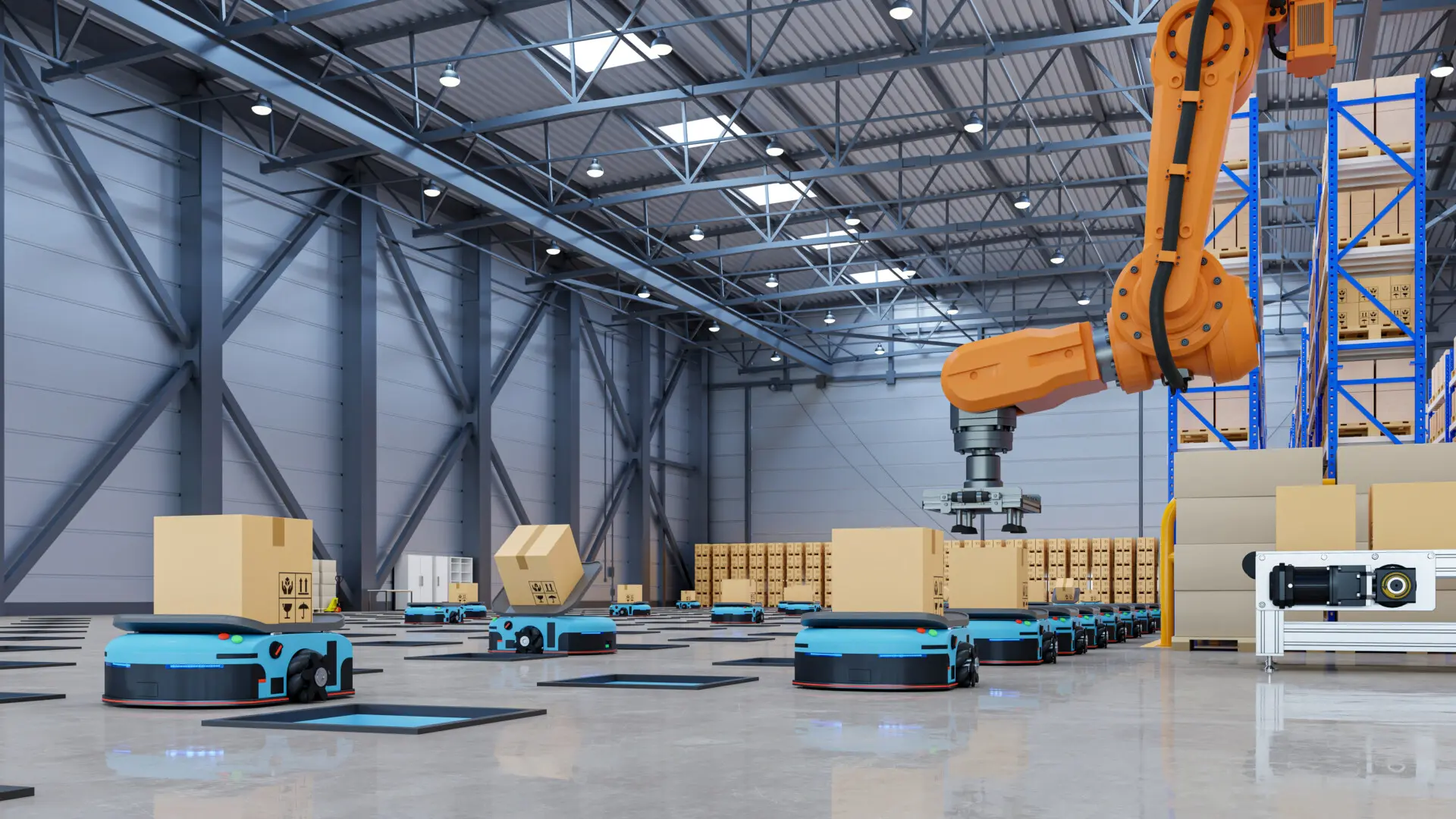
Robotics has long dominated manufacturing, but is now permeating sectors as varied as logistics and healthcare. Modern machines combine speed, accuracy, and stamina, performing precision tasks and even interacting with their surroundings—prompting a rethink of workplace safety and health standards.
Natural Language Processing (NLP)
NLP has altered how humans interact with machines, enabling computers to comprehend and produce human language. This underpins AI-driven customer service, content generation, and targeted marketing—automating roles that once required a personal touch.
Traditional Jobs Under Pressure
AI integration hits hardest in roles built around repetitive tasks—assembly-line work, basic accounting, or data entry—making these positions prime candidates for automation. The threat is unevenly spread: while manufacturing and information services see AI adoption rates of around 12%, sectors such as construction and retail lag at roughly 4%, indicating differing levels of vulnerability.
Even management isn’t immune. Scheduling, reporting, and other administrative duties are increasingly handed over to AI systems, reshaping organisational hierarchies.
Industry Snapshots
Manufacturing
From cobots working alongside humans, to predictive maintenance systems and AI-powered quality control, the factory floor is becoming a high-tech environment. Autonomous mobile robots now move materials and manage stock, demanding new skills from human operators.
Retail
Machine learning drives personalised shopping, targeted campaigns, and augmented-reality try-ons, while supply chains benefit from precision forecasting and leaner inventory systems.
Transport
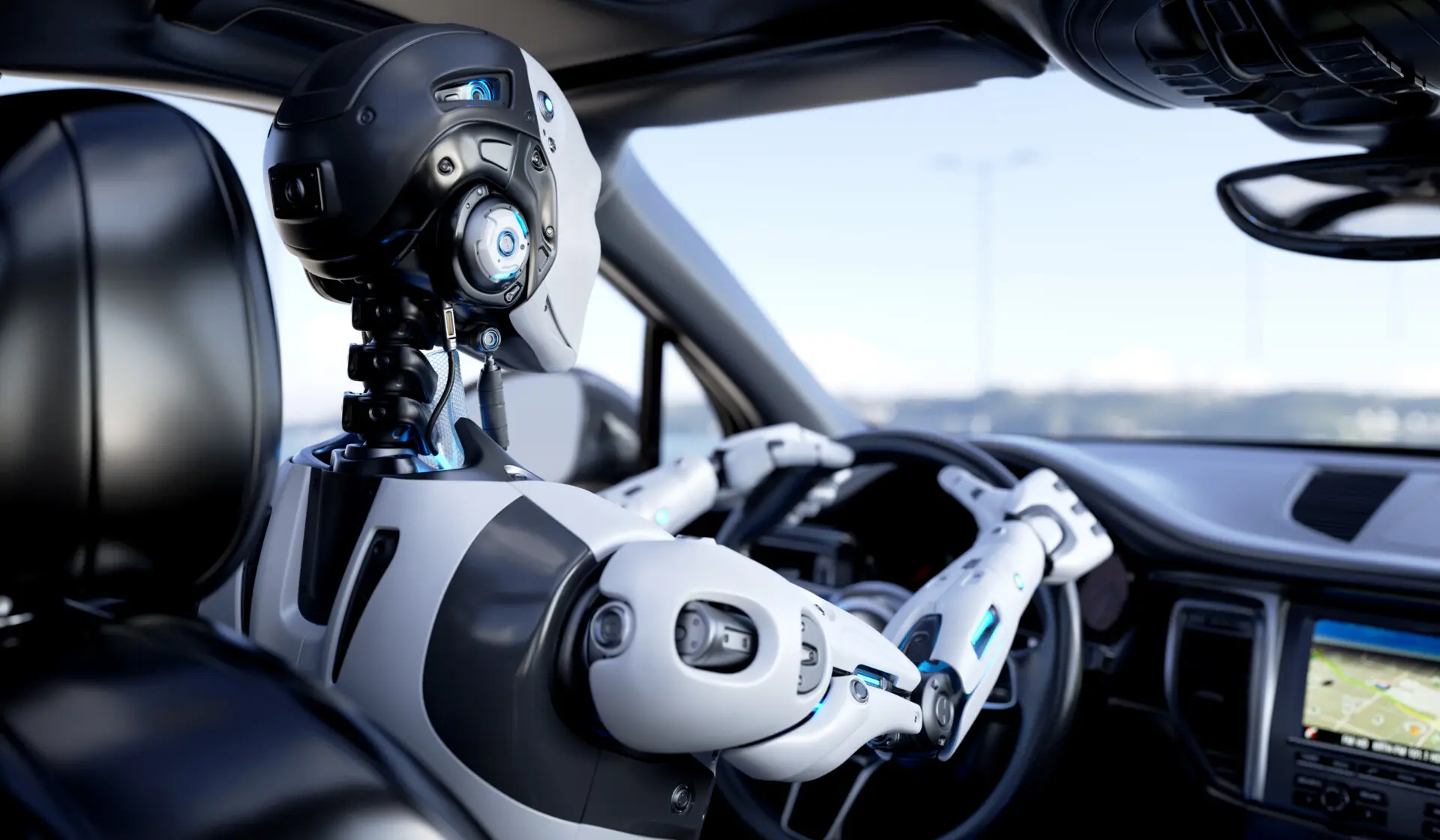
Autonomous vehicles and drones threaten to reduce demand for drivers and, potentially, pilots and service agents, as AI takes on both navigation and customer interaction.
Healthcare and Finance
AI sharpens diagnostic accuracy, optimises treatment plans, and streamlines investment decisions. In both sectors, data analysis at scale is redefining the speed and precision of professional judgement.
The Skills Gap and the Retraining Imperative
Automation magnifies the mismatch between available skills and employer needs. For mid-career and lower-skilled workers, the pressure to upskill is acute. Without decisive intervention, the gap will widen.
Retraining is critical—not only in programming, maintenance, and quality assurance, but also in creativity and critical thinking, abilities machines still struggle to emulate.
Socioeconomic Ripple Effects
AI risks deepening income divides, rewarding those able to harness its potential and leaving others behind. Consequences could include:
- Reduced demand for certain types of labour
- Downward pressure on wages
- Financial strain on displaced workers
- Greater difficulty finding alternative roles
Advanced economies may face sharper disruption but also enjoy better access to retraining and AI-driven growth. In contrast, emerging markets could struggle to capture similar benefits.

Addressing the Challenges: Policy and Corporate Responsibility
Some governments are already acting. The US Department of Labor’s Trade Adjustment Assistance programme offers retraining and financial aid—an approach that could be adapted to automation-specific displacement.
Businesses, too, must step up by:
- Investing in employee training
- Fostering lifelong learning cultures
- Identifying and developing new job categories created by AI
The ethical debate extends beyond productivity: should we allow technologies that strip livelihoods without ensuring alternative opportunities?
Looking Ahead: The Future of Work
As AI and automation embed themselves further, adaptability becomes the cornerstone of career resilience. Lifelong learning is no longer optional—it’s the safeguard against obsolescence.
Humans will remain vital where creativity, empathy, and strategic thinking are required. The challenge is to design a labour market where people and machines complement each other, ensuring economic progress doesn’t come at the cost of social stability.
Frequently Asked Questions
How is AI automation reshaping the job market?
By taking on tasks once done by humans, AI changes the skills employers require, potentially suppressing wages and altering employment prospects.
Which industries are most at risk?
Manufacturing, retail, and transport face the greatest exposure due to the high proportion of repetitive tasks that can be automated.
What are governments doing about it?
Policy responses include retraining schemes, transition support, and incentives for education—measures aimed at helping workers shift into roles less vulnerable to automation.